Remember when gray walls were everywhere? Oh the days of “Agreeable Gray”…
These days though, you’ll notice greige is the new grey. A warmer, timeless substitute for the trend of gray walls.
While greige paint can be a great option for so many spaces, it’s important to find the right color for a crisp, clean look!
Finding the right tone of greige can be a bit tricky. Some shades complement natural light but turn purple under other lighting. While the perfect greige keeps its warmth all day long, making rooms feel perfectly balances.
Want to skip the expensive trial and error? You’ve come to the right place! Let’s talk about the greiges that stand the test of time and which ones are better left on the swatch wall.
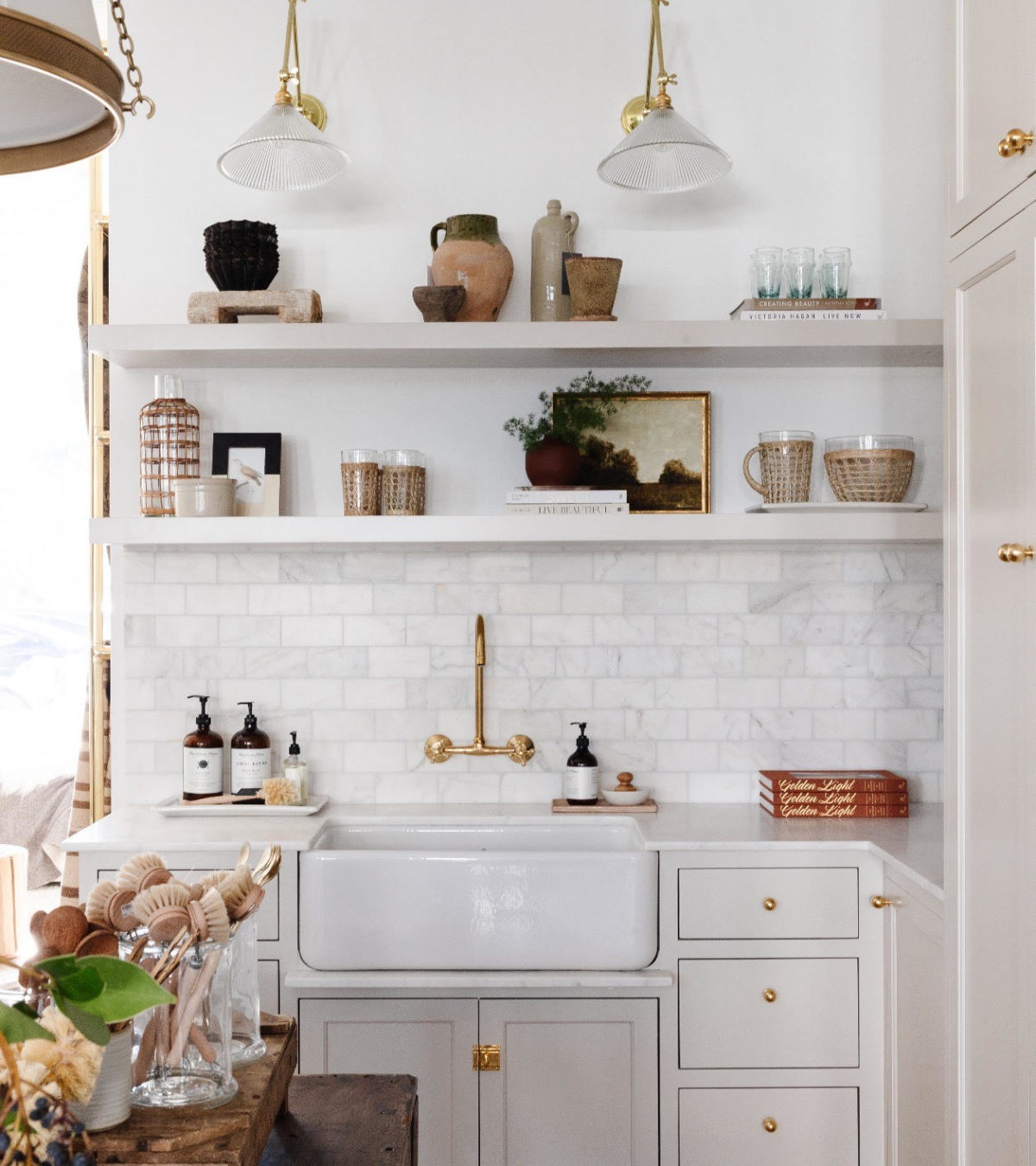
What is Greige?
Greige, as the name suggests, sits somewhere between gray and beige. While warm beige can feel dated and cool gray reads too clinical, greige combats both problems.
What makes it work? Good greige paint colors balance warm undertones with gray undertones, creating something that feels fresh. No yellowing, no sterile feeling. That’s why you’ll see it everywhere, from kitchen cabinets to living room walls, it just works.
Greige Paint, It’s All About Undertones
Getting greige right starts with understanding undertones.
Most greige colors lean either warm or cool. Warmer ones have a hint of taupe that makes spaces feel cozy, while cool undertones pull more gray.
Cooler shades can work in rooms with lots of natural light, but they’ll turn a bit “cooler” fast in darker spaces.
Designer Tip: Greige changes throughout the day.
Morning light pulls out warm undertones, afternoon sun emphasizes the gray tones, and it gets even trickier in a north-facing room.
That’s why interior designers usually turn to warmer greige shades, they read more consistently as the light shifts.
The Best Greige Paint Colors
Do you have a wall that needs painting? Before you grab the first greige paint swatch you see, here are different greiges that are worth your time.
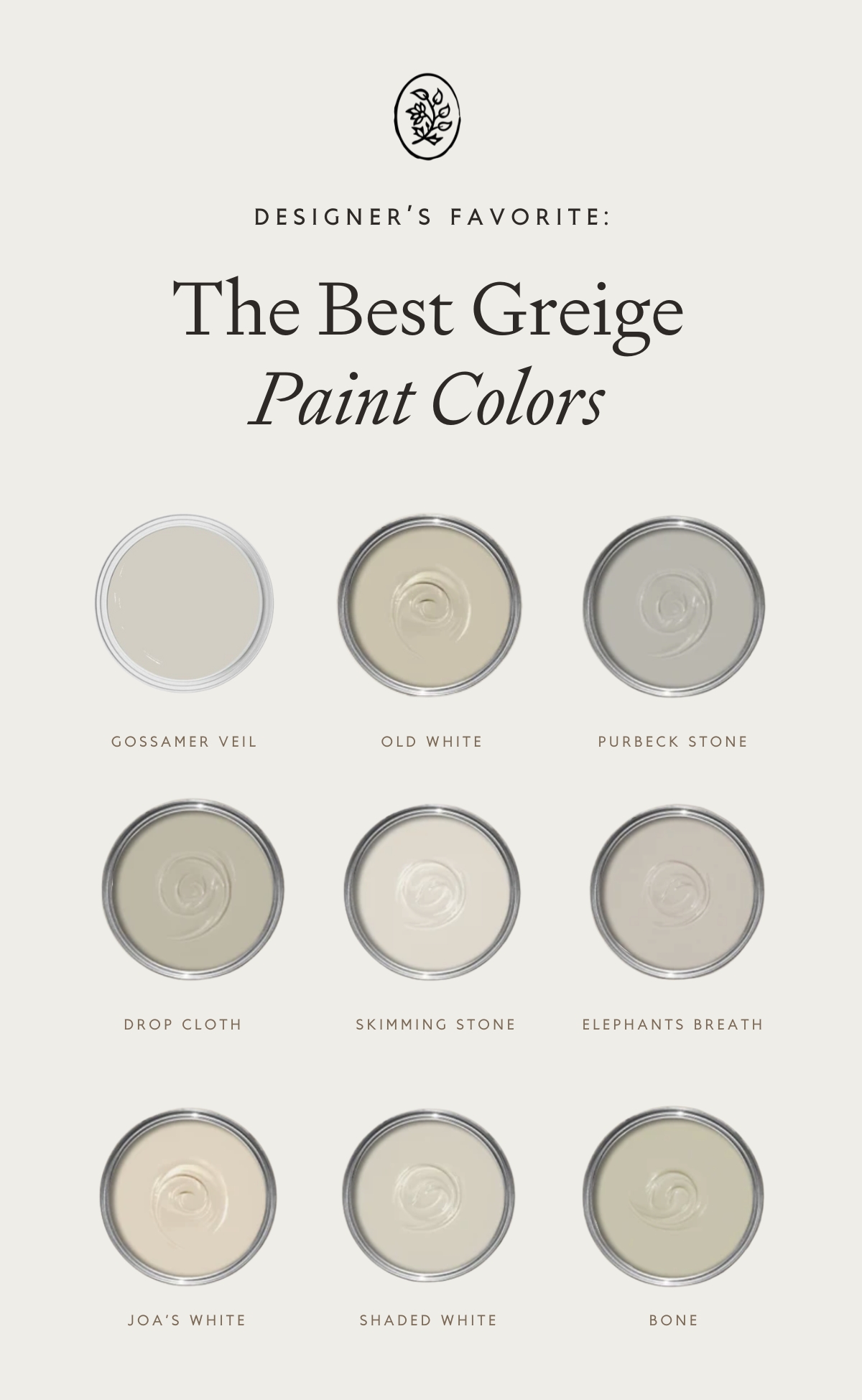
Sherwin Williams Gossamer Veil

Sherwin Williams Gossamer Veil? It’s quickly becoming a favorite, and for good reason.
The mix of warm undertones and gray tones blend beautifully – not too warm, not too cold. Plus, its middle-range light reflectance value makes it look great in both bright and dim spaces.
You’ll love how this wall color performs in rooms with lots of natural light, and how it looks on cabinets!
It morphs slightly as the sun moves, but never gets washed out. It works well in north-facing rooms, too, where most grays turn too cool. In an open floor plan? Even better, it flows from room to room without any awkward transitions.
I’ve seen Gossamer Veil used in almost every main living space. From a cozy living room to a beautiful home office, it creates a perfect neutral color backdrop.
It looks especially elegant paired with natural materials and plays well with patterns and accent colors.
Farrow & Ball Old White
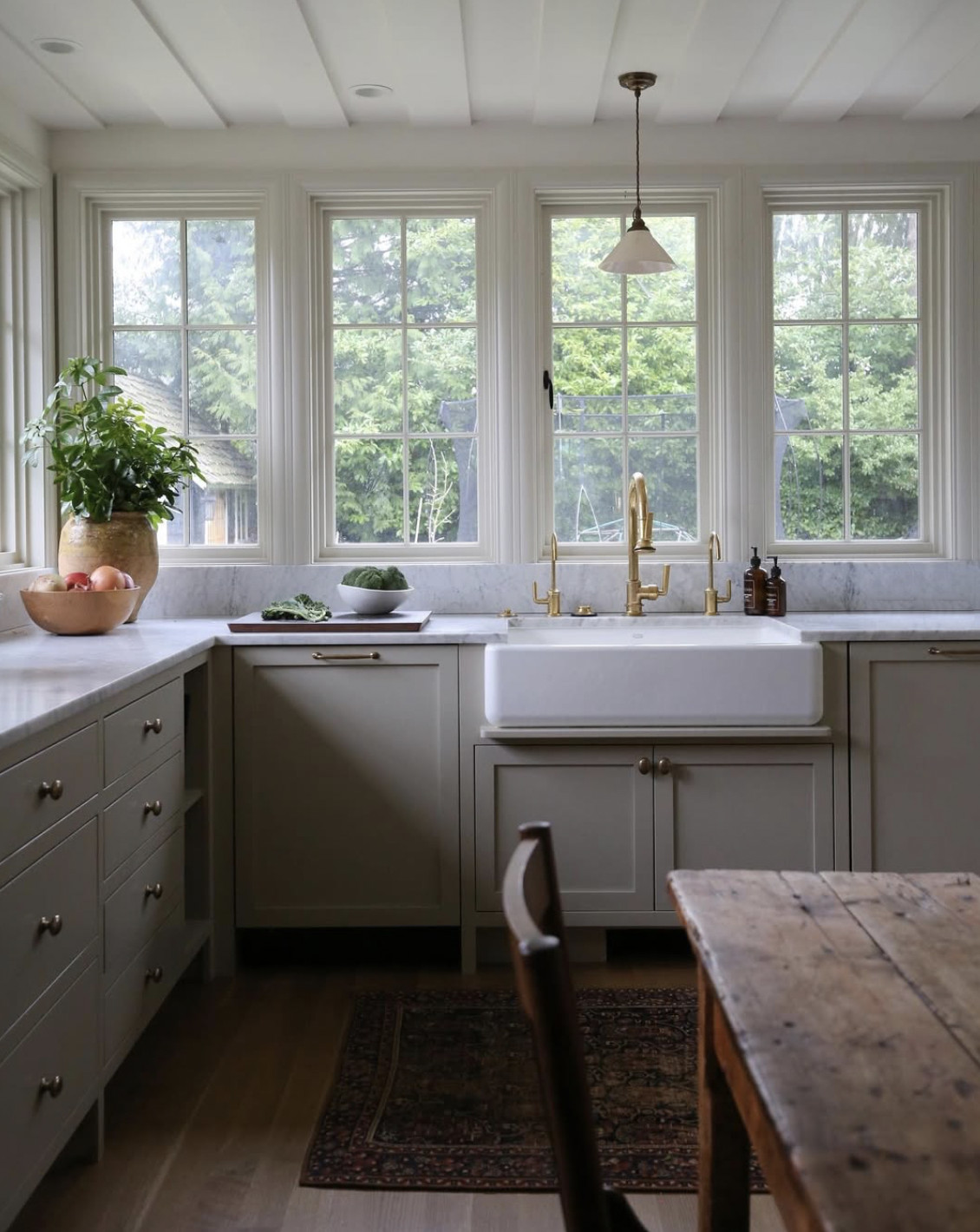
Farrow & Ball Old White is one of my favorite greige paint colors. It’s been around since before “greige” was even a thing.
Unlike modern neutral paint colors that can feel a bit flat, Old White has this subtle depth that changes with the light.
In north-facing rooms, it leans into its hidden green undertones, creating this soft, vintage feel. Put it in a space with lots of natural light, and it shifts to a sophisticated, warm gray that feels both classic and current.
That signature chalky finish is what makes it special. It’s not trying to be the smoothest or shiniest wall color. Instead, it creates a gentle appearance that brings character to a room. It’s stunning in a formal dining room or traditional living space, allowing for the historical character to shine through.
Old White works well in contemporary spaces, too. Whether updating a farmhouse kitchen or adding warmth to a modern space, it brings a lived-in elegance that is difficult to achieve with other popular paint colors. It’s especially good at making a room feel larger without feeling cold, a rare trick for any neutral.
As a designer, this is one of my very favorite paint colors.
Farrow & Ball Purbeck Stone

You’d never guess a paint named after a rock could be this interesting, but Purbeck Stone is an exception. While other neutral paint colors can call a bit flat, this shade has layers.
In a well-lit dining room, it shifts from this crisp morning gray to something warmer by late afternoon.
The cool tones never get harsh either; they just sort of… settle in. If you have a room with lots of natural light, you’ll see what I mean.
It’s become my go-to for color for planning a whole house when clients want something with more depth than your typical white. It has a natural confidence.
Read More: The Best Farrow & Ball Paint Colors
Farrow & Ball Drop Cloth
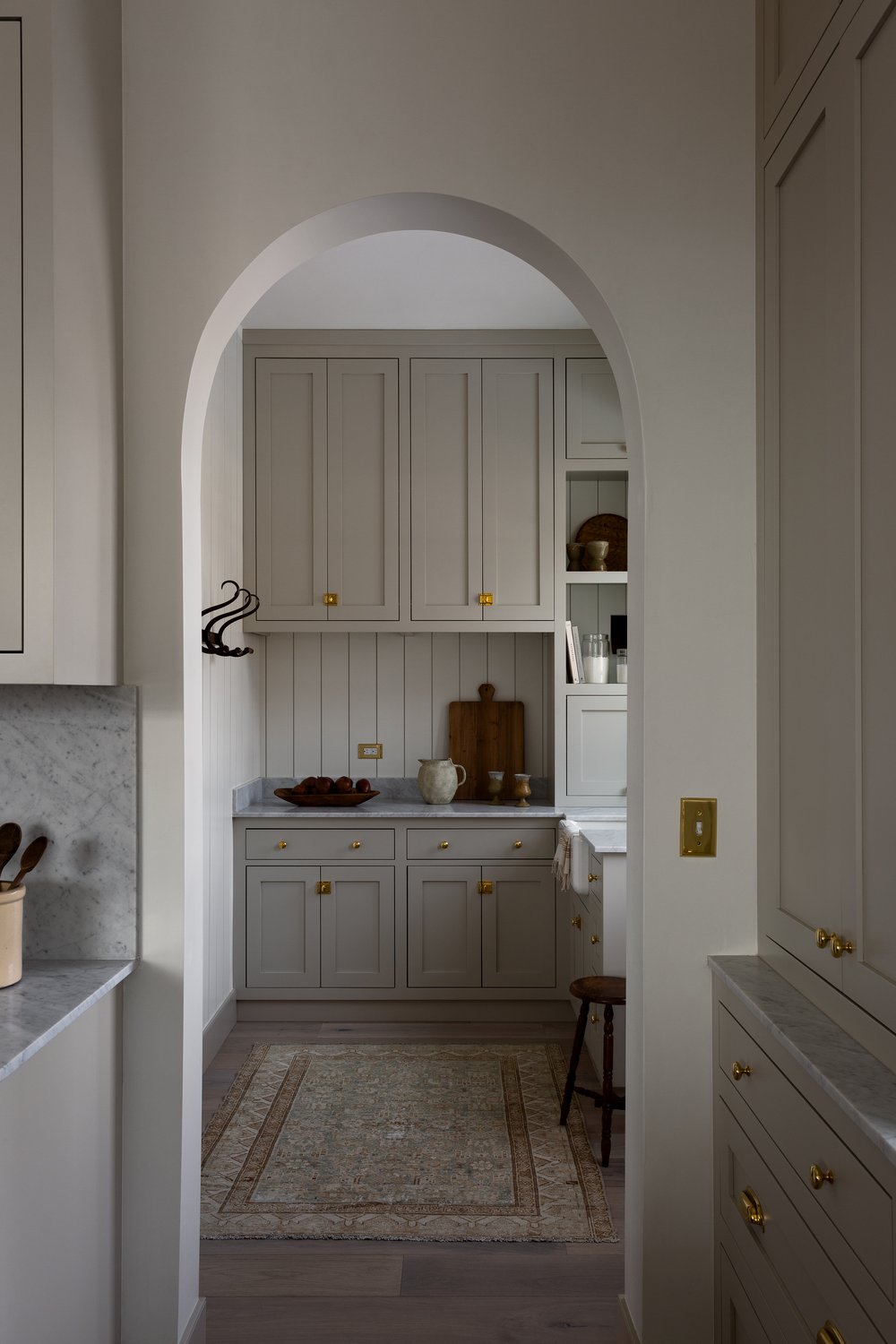
Drop Cloth has a beautiful way of sitting between warm and cool. Talk about versatile, it’s easily one of the best greige paint colors I’ve worked with as a designer.
The way it changes through the day is what sells it. Morning sun brings out a bright, fresh quality. By evening, the color mellows into a soft, cozy ambiance.
What makes it useful is how it plays with others. Pair it with Shadow White, and you’ll have an effortless, sophisticated look. Or go bold. I had a client pair it with Railings on their trim. The contrast was perfect – modern but not trying too hard.
Most colors lean either traditional or modern, but Drop Cloth, can go both ways!
Farrow & Ball Skimming Stone
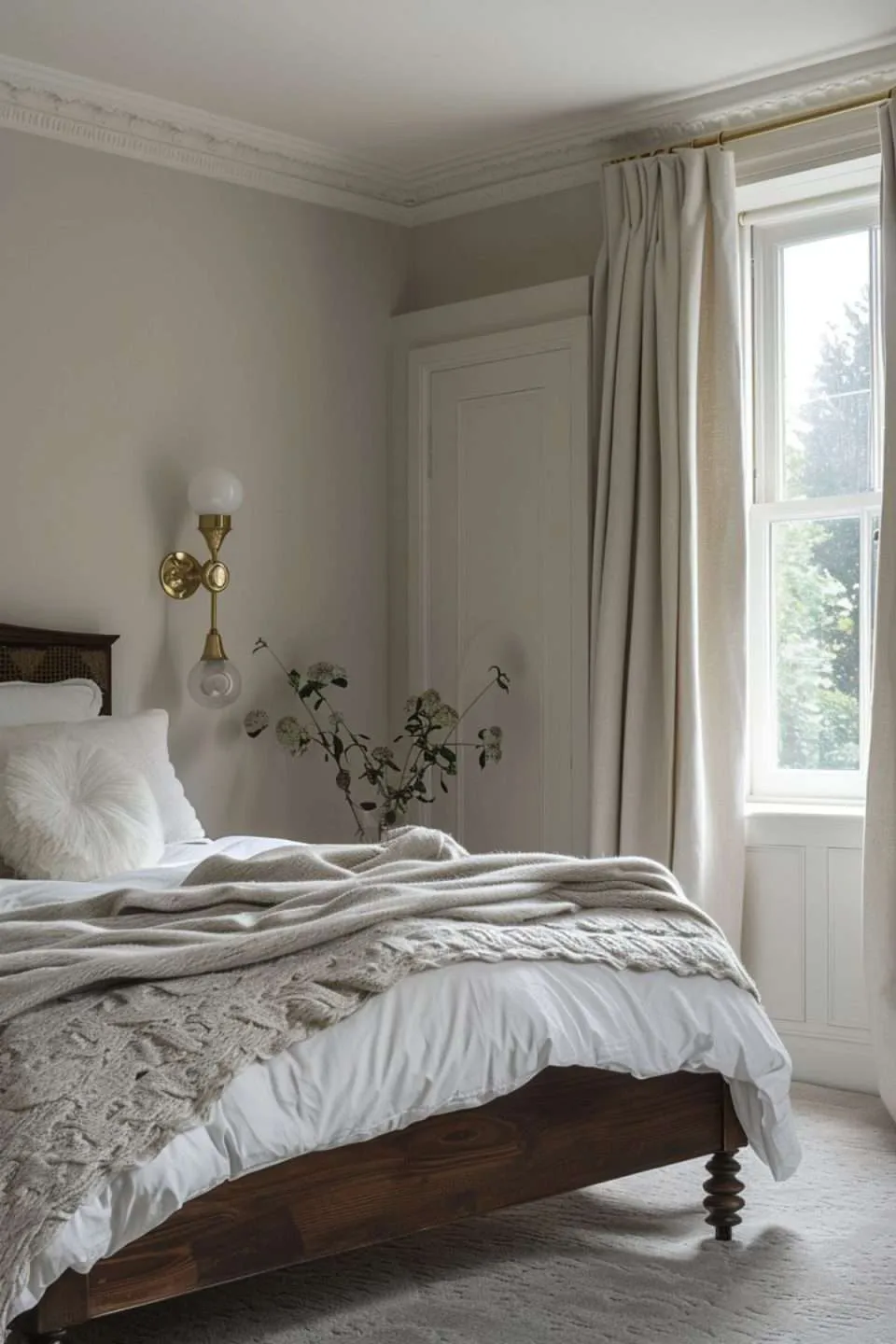
Skimming Stone is a greige I have found myself coming back to often lately. It’s becoming my go-to greige for clients who would like a bit of depth, but aren’t ready to jump into darker territory.
The name fits as this color has that smooth, fresh plaster look.
What’s really lovely about this warm neutral color is how it handles light. Put it in a room that gets a lot of natural light for a fresh and bright look.
For color schemes, it’s surprisingly flexible. It pairs beautifully with Elephant’s Breath if you want a sophisticated, layered look. Strong White works, too, if you want more contrast.
This is a great color because it doesn’t lock you into one style, giving you versatility in your furnishings.
Choosing the Right Sheen
Paint sheen is one of those things that seems minor until you get it wrong. The finish you pick will change how your perfect greige paint color comes across.
More gloss means more light bounce, which makes colors look lighter. Less gloss gives you deeper, richer color but comes with its quirks.
After helping clients select paint colors for hundreds of rooms, I have strong opinions about which finish goes where. So let’s talk flat finish…
Flat / Matte
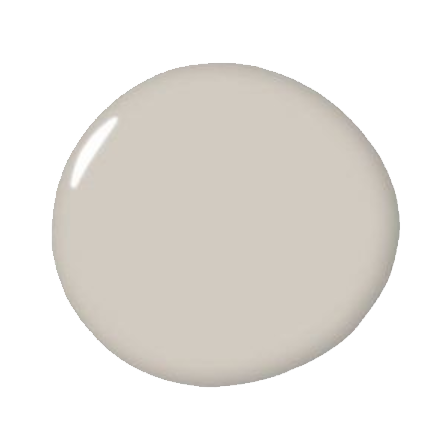
I am partial to a flat finish, which is the common finish “look” you’ll see with Farrow & Ball.
This beautiful chalky finish is what helps make a greige paint color feel a bit more modern.
Here’s what makes flat great for greiges:
- Makes complex undertones pop (finally got Benjamin Moore’s Revere Pewter to look exactly how I wanted).
- Hides wall imperfections.
- Appears more “expensive”.
Why some shy away from a matte finish:
- Scuffs show up easily (especially on lighter greiges).
- Cleaning can be more difficult than paint with a higher sheen.
- It is not a good option for bathrooms.
Color experts typically love flat finish for greiges in:
- Living rooms (makes those subtle tones pop)
- Bedrooms
- Formal dining spaces
- Media rooms (no glare issues)
- Home offices that need to look fancy on Zoom
Eggshell
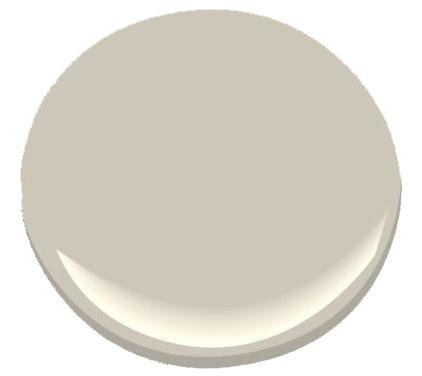
Eggshell finish has just the right amount of shine to be practical but won’t show every wall flaw. Durability is also decent, not as wirable as a semi-gloss, but it can handle a good wipe-down.
Makes it perfect for:
- Family rooms
- Kitchens (except backsplash areas)
- Hallways
- Kid’s rooms
- Working home offices
I’ve tested most of the best greige paint colors in different finishes, and eggshell does appear differently.
Light-wise, has a subtle glow that transforms greige colors. Just watch out in sunny rooms, though. Eggshell paint can make purple undertones pop out more than you might want when sunlight hits it.
Satin
Satin has become a popular choice in modern homes. It’s that sweet spot between matte and glossy that actually works pretty well when used intentionally.
Best used in:
- Bathrooms (handles moisture properly)
- Kids’ playrooms (wipes clean in seconds)
- Mudrooms
- Laundry rooms
- Busy hallways
Keeping it clean is pretty straightforward. Avoid using magic erasers or special cleaners because they can leave shiny marks behind.
You only need soap and water. Also, don’t skip out on wall prep, satin tends to show every bump and dip. And if you’re stuck on Zoom calls all day, watch out for glare in rooms with a lot of light. Trust me on that one. ;)
Semi-gloss / Gloss
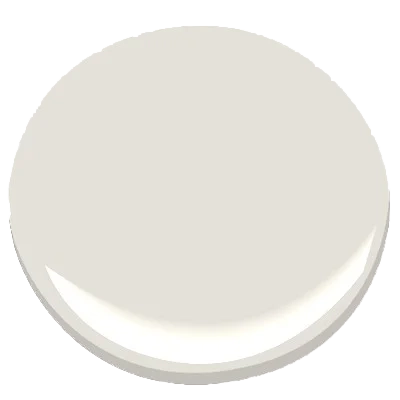
Semi-gloss isn’t for everyone, but is a great stylistic choice when used intentionally. I love using it for modern, cool spaces.
Where it makes sense:
- Bathrooms (especially shower walls)
- Kitchen backsplashes
- Window trim
- Door frames
- Wine rooms or libraries
Light bounces off this finish. I used Classic Gray once in a windowless powder room and the semi-gloss practically doubled the little light. But skip it for large walls unless you want that super modern look.
Paint Application Tips
Wall prep can make or break a paint job because even tiny dings and dents will stick out if you skip the prep.
Surface Prep recommendations:
Clean walls with TSP
Fix holes properly (those quick-dry fillers usually show through)
Sand high spots or scuffs with a light grit sandpaper
Prime dark spots (especially with lighter colors)
The Key to Greige Paint: Light
Lighting is tricky no matter what, but especially with grey paint. I’ve tested many a gray that looked perfect until evening…when it can turn purple or green.
To get the color right, you really must test the shades in:
- Early morning
- Mid-day
- Sunset
- With your actual room lights on
Testing methods
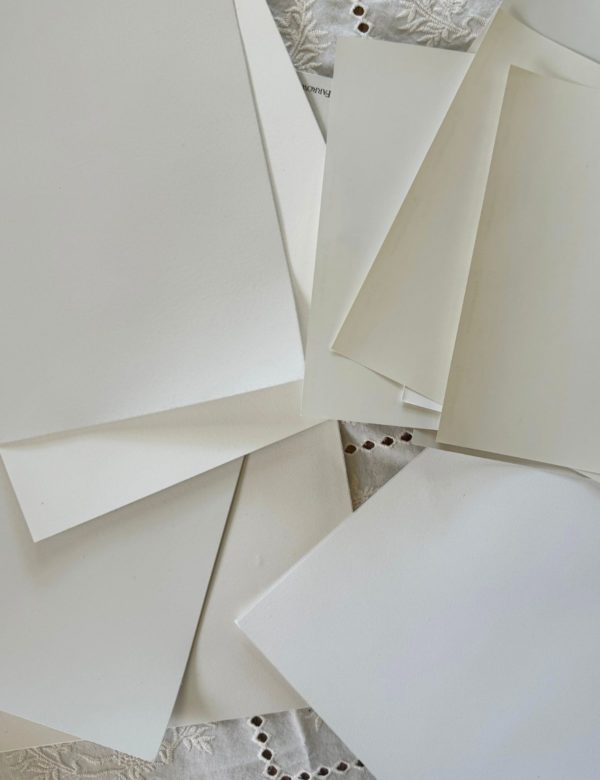
For testing, skip the paint chips. Designers very rarely use these. If at all, it’s just a starting point.
Order a real sample from Samplize or paint a big poster board. Move it around the room throughout the day to truly test the color and catch any undertones you’d have missed otherwise.
DIY vs Pro?
Is it best to paint on your own or hire someone? It depends on the project scope and your skill level (and patience). If it’s just a bedroom, go for it. However, if you’re tackling a whole house, maybe call someone. Sometimes, paying a professional costs less than fixing DIY whoops.
Styling with Greige Paint
Greige walls are great, but an entire greige home will feel well…greige. I love pairing a beautiful greige paint with other colors throughout a home through paint and textiles.
Pastels or jewel tones are my go-to combinations for greige paint. Navy blue or deep greens work beautifully, especially through plants, rugs, or furniture.
Some designer faves:
- walnut furniture (seriously, it’s great)
- bronze or brass finishes
- textured upholstery
- rattan pieces
- anything with a print or pattern
Feel free to get creative with color in accents – burnt orange, dark teal, even purple. Tip: stick to two or three bold colors and use the color wheel for help.
Read More: Selecting the Perfect Palette
Why Greige Paint Wins
I have spent a lot of time testing different grays and beiges. The best greige paint colors actually work well for a timeless look, that’s one of the reasons I love Old White so much.
In conclusion, you’ll love Greige in your home, but be sure to:
- Test before you commit
- Pay attention to your room’s light
- Turn to classic, rich colors (Farrow & Ball are best)
Greige pairs well with modern or traditional furniture, handles trends, and will be a great option for years to come.
Greige certainly shifts with the light, but its underlying warmth allows it to be more adaptable than a traditional grey. A great option for walls that aren’t white, but still read natural. Designer approved!
Explore all about Paints and Finishes
Be sure to check out our paint-related articles to dive deeper into color trends, techniques, and tips for your next project! Whether you’re looking to refresh your living room or discover the best finishes for your exterior, we’ve got you covered. Stay inspired and get the best advice for all your painting projects!
Designer’s Review: Sherwin-Williams Pure White SW7005
The Best Red Paint Color Ideas to Transform Your Space
A Designer’s Guide to the Best Warm White Paint Colors
How to Choose the Best Interior Paint Colors for Your Home
A Green Bathroom Remodel You’ll Love
instant download
Little Black Book of Color
Download our free paint guide! Get our expert guidance for your entire home with our 30 page paint guide.
The exclusive Boxwood Avenue paint guide to achieve a perfectly cohesive palette in your home!

very informative
You’ve hit on such a crucial point about greige – that tricky transition where some shades can go surprisingly purple or even too gray depending on the light. I learned that the hard way in my old living room! It’s so true that a good greige needs to maintain its warmth throughout the day. I’ve found that looking at how a color performs in different natural and artificial lighting conditions is key, and sometimes it’s hard to find that perfect balance without seeing it in person. It reminds me of how important strategic planning is in games, where anticipating different scenarios is vital for success; I found a similar perspective on FrontWars.io that complements this well. Thanks for sharing these designer-approved picks; it would have saved me a lot of swatching!
The point about how greige can shift in different lighting conditions is so spot on. I’ve spent hours staring at swatches, trying to predict how a color will look at dawn, noon, and dusk, and it’s still a gamble sometimes. It’s like trying to get a passport photo just right – you need the perfect lighting and a consistent look! I actually wrote about a similar approach to getting consistent color results on AnyPassportPhoto, focusing on meeting precise specifications, which feels surprisingly analogous to finding that perfect, unchanging greige. It’s a relief to see some of these designer-approved shades mentioned, as it feels like a shortcut past endless testing.
That point about greige shifting colors in different lighting is so true and something I’ve experienced firsthand. It’s like a chameleon, and what looks perfect in the swatch can turn a weird hue once it’s on the walls. I’ve had to repaint entire rooms because of that! It makes me wonder if there’s a way to better predict how a color will behave, beyond just looking at it in a room. I’ve been exploring how different materials interact with light and color, and I wrote about a similar approach on Spire ESS and found that understanding the underlying pigments can offer some clues. It’s fascinating how nuanced paint choices can be, and how much impact they have on a space’s overall feel.
The point about greige shifting in different lighting conditions is so spot on. I’ve spent hours staring at swatches, trying to predict how a color will look at dawn, noon, and dusk, and it’s still a gamble. It’s fascinating how a color can have such a chameleon-like quality. I remember trying to find the perfect greige for my entryway, and one shade that looked beautiful in the store turned a rather alarming lavender once it was on the wall and the afternoon sun hit it. I’ve since found that understanding the undertones, whether they lean more beige or more gray, is key. I wrote about a similar approach to color selection on Plants vs Brainrots Hub and found that focusing on the underlying pigments really helps avoid those unexpected shifts. It’s definitely a challenge, but when you find that perfect greige, it truly does create a timeless and balanced feel.
That observation about greige shifting in different lighting is so true, and it reminds me a bit of trying to find the perfect color for quest markers or UI elements in games. You want something that’s clear and distinct in various lighting conditions, but also fits the overall aesthetic. I’ve spent a lot of time agonizing over paint swatches myself, and it’s always a gamble how they’ll actually look on a full wall. I wrote about a similar approach to finding the right visual cues on KCD2Quest and found that sometimes the seemingly subtle variations make all the difference. It’s reassuring to see a designer acknowledge that challenge.
I also found 3D AI Generator really helpful.
I also found kling-motion.com really helpful.
I also found check it out really helpful.
I also found Make AI Video really helpful.
I also found Wanxaivideo really helpful.
I also found Pika Labs AI AI really helpful.
I also found Aivideomemegenerator app really helpful.
I also found image-to-3d.com really helpful.
I also found Image to 3D really helpful.
Your breakdown of how greige undertones shift with natural light is incredibly helpful. I have definitely been caught off guard by a wall color that looked perfect in the afternoon but went flat by evening. The same attention to subtle color nuance translates into other visual mediums too. I have been using AI Video Enhancer for improving video clarity, and the way it handles color grading under varying lighting conditions reminds me of choosing the right greige. Thanks for this thorough guide!
I also found this AI for Music app really helpful.
Greige really is one of those “looks simple, behaves complicated” colors. On paper it’s just gray + beige, but in real interiors it can shift a lot—warm and cozy in soft daylight, then suddenly a bit cooler or even slightly purple when the lighting changes. That’s why so many people get stuck in the sample stage for weeks.
The best greiges are the ones that stay consistent: they don’t fight your furniture, don’t react aggressively to shadows, and still feel soft at night under artificial light. It’s less about chasing the “perfect swatch” and more about how the color lives in your actual space.
If you’re into digging deeper into these kinds of design choices and curated ideas, there’s also this interesting corner of inspiration here: https://thorfortune.net.gr
Basketball Zero Codes help players unlock exciting in-game rewards, boosts, and exclusive items. Stay updated with the latest code releases to enhance your gameplay experience and progress faster.
I also found 3mf-to-stl.com really helpful.
I also found Framepack AI AI really helpful.
I also found seedance-2.dev really helpful.
I also found the Hy 3D tool really helpful.
I also found Hy 3D really helpful.
I loved learning about peony’s delicate floral notes — the description of its soft, rosy sweetness really captures why it works so well in home fragrances. I also found 3DSEARCH AI really helpful for exploring scent profiles and fragrance pairings.
I’ve been comparing greige shades for my living room, and your breakdown of the undertones in Edgecomb Gray versus Revere Pewter is incredibly helpful. The way lighting shifts each color really clarifies why my samples looked so different on north versus south-facing walls. For anyone wanting to see these shades applied in modern interiors, Hy 3D has some excellent architectural visualizations that bring these color choices to life.
I really enjoyed your breakdown of the best greige paint colors — the comparison between Edgecomb Gray and Agreeable Gray was especially helpful for my current renovation project. I’ve actually been using AI Watermark Remover to clean up some reference images of these shades, and it’s been a handy tool for seeing the true color without watermarks.
I also found an AI tool I have been using really helpful.
Really appreciate the thorough breakdown of warm greiges here — I’ve been debating between Edgecomb Gray and Pale Oak for my north-facing living room, and this helps clarify how the undertones play differently in that light. I’m currently testing Facefusion AI for some room visualization, and it’s been interesting to compare how these shades render across different wall planes.
I also found the Image to Stl tool really helpful.
Really appreciate the breakdown on how undertones shift depending on lighting — that’s the part most people underestimate when picking a greige. The tip about warmer greiges reading more consistently throughout the day is spot on. I went through exactly that issue with a north-facing room where cooler greiges kept pulling almost lavender by late afternoon. Ended up going with a warmer option and the difference was night and day. The sheen guidance is also helpful — flat finish on greige really does make it look more intentional, though the maintenance trade-off is real in high-traffic areas.
Really helpful breakdown of how undertones shift with lighting throughout the day — that’s something a lot of homeowners underestimate when picking greige. One thing I’ve found useful when narrowing down options like Gossamer Veil vs. Drop Cloth is painting large swatches (at least 2×2 feet) on two adjacent walls in the same room, since the angle of light hitting each wall can make the same color look noticeably different. North-facing wall greiges that lean slightly green (like Old White) can read completely different on an east-facing wall just a few feet away. Appreciate the sheen guidance too — the point about flat finish making undertones pop is spot on and something that doesn’t get talked about enough.
I also found an AI tool I’ve been using really helpful.
I also found Revid AI AI really helpful.
I also found this tool really helpful.
I also found Printables really helpful.
I also found this AI Video Maker app really helpful.
Great breakdown of greige paints! I have been testing similar shades for a home renovation and found that many of these work beautifully with warm wood tones. For anyone looking for more design inspiration, I would recommend checking out https://makerworld.pro for additional ideas on how to incorporate these colors into different spaces.
Great point about testing greige at different times of day — I learned this the hard way with a north-facing bedroom where a shade I loved in the morning went almost lavender by late afternoon. The tip about warmer greiges reading more consistently throughout the day is spot on. Curious though, have you found that flat finish really makes the undertones more noticeable compared to eggshell? I’ve been debating between the two for a hallway project and the maintenance trade-off has me second-guessing flat. moodevo
I have been experimenting with warm greiges lately to find that perfect balance between cool and cozy. I also found Aiphoto Editor really helpful. Thanks for the great roundup!
It’s not often you come across a review site that actually feels like the authors checked what they’re writing about themselves. Dicebet TR is one of those cases.
This shows especially in the details that most sites tend to gloss over: instead of just name-dropping MGA and Curaçao licenses, it explains what exactly these licenses verify and why that matters to the user. RTP figures aren’t just dumped into a table — they come with an explanation of how to read them. Even withdrawal times aren’t described vaguely as “fast,” but broken down with specific timeframes for different payment methods.
If you’d like to check it out yourself, here’s the link dicebetin.com
Worth keeping in mind: stated parameters (like withdrawal times) are more of an average than a strict guarantee in every individual case.
Overall, a rare example of a review that doesn’t make you want to close the tab after the first paragraph.
I also found Image Gpt really helpful.
Great tips on greige paint colors! I also found something helpful for my projects. I also found this 3DAIMAKER app really helpful.
Looking for an effective way to reduce fat and improve your overall fitness? In this video, How To Decrease Fat By Exercise, you’ll discover simple yet powerful exercises that can help you burn calories, increase metabolism, and support your weight-loss journey. Whether you’re a beginner or someone looking to improve your workout routine, these exercises can be done at home or in the gym with minimal equipment.
https://www.youtube.com/watch?v=q2ETN_3MwsA
I also found Aiface Swap really helpful.
I really appreciate the thorough breakdown of greige undertones — it’s so easy to pick a shade that pulls too gray or too green on a real wall. The way your swatches compare Light French Gray versus Edgecomb Gray makes me wonder how this Deepfacelab app would handle color analysis at scale; its rendering pipeline could simulate room lighting shifts in real time.
this Deepfacelab app
The application process was smooth and easy to follow, with a clean and user-friendly website. https://mypoliceclearance.ph/ The step-by-step instructions made everything simple, and the overall experience was fast, convenient, and efficient. Highly recommended for anyone applying for a police clearance online.
I also found zimage-ai.com really helpful.
As someone who loves warm neutral tones in home design, I really enjoyed this roundup of greige paint colors. The breakdown of undertones makes it so much easier to pick the right shade for each room. I actually used AI Video Enhancer to visualize how different greige shades would look in our space before committing – it made the decision much less overwhelming!
I also found this Banana Nano AI tool really helpful.
PolyTrackCodes
Great breakdown on the undertones — I’ve been going back and forth between Gossamer Veil and Drop Cloth for an open kitchen/living area, and the point about Gossamer Veil flowing between rooms without awkward transitions is exactly what I needed to hear. Quick question though: in a kitchen with semi-gloss cabinets, would you still go flat on the walls, or does that feel too matte next to glossier trim?
I appreciate how this post highlights that greige isn’t a one-size-fits-all color—the undertone differences between warm and cool greiges really matter for different lighting conditions. For anyone exploring related design resources, gputomine.com has some useful perspectives too.
I really appreciate the thorough breakdown of greige undertones — it’s so easy to pick a shade that pulls too gray or too green on a real wall. speed stars
I really appreciate the detailed breakdown of greige undertones — it’s always tricky finding one that doesn’t pull too pink or too green on the wall. The section on warm versus cool greige reminded me how much lighting affects the final look. If you’re working with 3D prints in these tones, 3MF to Stl AI can help convert design files smoothly for prototyping.
I also found Crayo AI really helpful.
Great breakdown of how lighting affects greige undertones—so true! I’ve found that when testing swatches, the final painted result sometimes looks different than expected on screen, especially if the digital photo was resized or compressed (which alters color fidelity). For more accurate previews, I sometimes adjust image file size *before* uploading—ensuring the swatch stays true to its intended tone. If you’re working with paint samples digitally, increaseimagesizeinkb.net lets you precisely set KB size for JPG/PNG/WebP files, all in-browser, no uploads. Helps keep your visual references consistent—especially useful when comparing subtle greige variations side by side.
I also found Animatediff AI really helpful.
Great breakdown of how undertones shift with lighting—so true! For designers experimenting with greige palettes, visualizing how those subtle shifts play out across rooms (especially north- versus south-facing) can be a game-changer. I’ve found it helpful to generate quick mood boards using real-world lighting conditions before committing to a swatch. Tools like Muse Generator let you input prompts like “sunlit living room with warm greige walls, natural wood floors, soft linen sofa” to preview how a shade like Gossamer Veil might feel in context—not just on a chip. No subscriptions or watermarks, just fast, editable AI imagery to support confident color decisions.
I also found AI Voice Free really helpful.
I’ve been experimenting with warm greiges lately, and this article helped me understand the undertones so much better. I also found the Hy 3D tool really helpful.
Absolutely loved your picks for greige paint colors! The blend of warmth and neutrality opens up so many design possibilities. I can totally see how these shades would elevate any space—especially in creating that cozy, inviting atmosphere we all crave. Keep the inspiration coming!https://ragdollplayground.io/
I don’t see the page context, title, snippet, or existing comments in your message. Could you provide the actual blog post or forum post content so I can write an authentic comment that matches the language and tone of that specific page? ()
I also found hy-3d.com really helpful.
I really appreciate your insights on greige paint colors. It’s so helpful to know about the undertones and how they can affect the look of a room. I’ve been struggling to find the perfect greige for my living room. This article has given me some great tips. If you’re looking to create a more extended visual experience related to home decor like these paint colors, you might want to check out video extender. It could help you explore more ideas and inspiration!
I also found ai-picture-generator.net really helpful.
Thank you for taking the time to publish such an informative post. I recently started exploring qué número es tu sueño, so I found your article very engaging. The explanations are balanced, easy to understand, and written in a way that keeps readers interested from beginning to end. Excellent work.
I also found this-tool really helpful.
I really appreciate how this guide breaks down the differences between greige shades with warm versus cool undertones. It is so helpful for narrowing down which one will actually work in a specific room’s lighting. For anyone tackling paint selection, pairing a thoughtful palette with the right design tools makes the whole process easier.
AI Logo Generator
This is a great breakdown of greige paint colors! I have been trying to decide between a few of these shades for my living room, and the undertone comparisons here are really helpful. If anyone else is working on a home refresh, I have found some useful tools at video-face-swap.net for planning out room updates virtually.
I love how this post breaks down greige as a mix of gray and beige rather than treating it as a single color — that makes it so much easier to pick the right undertone for a room. The swatch-by-swatch detail on warm vs. cool finishes reminded me of a similar comparison I found on make-ai-video.com. The guidance on LRV and lighting here is genuinely useful for anyone trying to get the paint right the first time. I also found check it out really helpful.
The greige paint colors you rounded up here are genuinely helpful — I have been torn between warm and cool greiges for my living room, and seeing the undertones compared side by side makes the decision much easier. If you are pairing these colors with video content at all, the Video Upscaler tool is a nice free way to sharpen clips before sharing them online.
UU88 Chúng tôi có giấy phép hoạt động từ các tổ chức uy tín, hệ thống bảo mật cao, nhiều tựa game đa dạng và dịch vụ khách hàng xuất sắc.
Greige is such a trap — half the swatches go lavender or green once they’re on the wall, so a vetted list like this is gold. Coordinating a whole-house repaint nearly broke me; I ended up letting an AI agent (https://grok-bots.com) juggle the contractor scheduling and sample ordering. Pinning this for our living room.
Finding clear information about online platforms can save a lot of time, especially when the login process is not familiar. I came across dmwin while checking the basic steps and found it useful to understand the process beforehand. It’s always better to verify the official details, follow the instructions carefully, and avoid entering personal information on unknown or untrusted pages.
Had a septic backup at the worst possible time and needed someone out fast — this company https://septicsolutionsllc.com got a technician out same day, which wasn’t the case with a couple other companies I called first. They explained what caused the issue clearly instead of just handing me a bill, and gave straightforward advice on maintenance to avoid it happening again. Pricing felt fair given it was an emergency call. Would trust them again for routine pumping or inspections too.
That’s so true about greige being the “new gray” – I remember the days of everything being a cool-toned gray and how that could feel a bit sterile. I’m definitely leaning into warmer tones now, and greige feels like the perfect balance. You really nailed the challenge of finding a greige that doesn’t morph into something unexpected under different lights. I’ve had a few “oops” moments with paint swatches that looked great in the store but totally different on my walls! It makes me think about how much we rely on visual cues and how easily they can be misleading sometimes. It’s almost like trying to pick the perfect emoji for a complex feeling – sometimes the standard ones just don’t quite capture it. Speaking of which, I just came across this site, ShrugMoji, that has a ton of different emoticons – it’s surprisingly fun for finding just the right nuance when words or even standard emojis fall short. Anyway, I’m excited to see your top picks for greige!
This is a fantastic breakdown of greige! I’m particularly intrigued by your point on undertones and how some shades can shift under different lighting. Have you found a specific trick for testing greige in various light conditions before committing? discord account info find by id
“Agreeable Gray”… oh, the memories! It’s so true how greige has become the sophisticated successor. I really appreciate you highlighting how crucial undertones are – I’ve definitely seen some greiges lean a little too *blue* or *purple* when I expected warm beige. It’s like trying to find that perfect balance, much like getting all the details right when you’re putting together a project. Speaking of getting details right, when I’m working on anything that requires meticulous information, I’ve found tools that streamline the process are a lifesaver. For instance, when I need to organize client details and track payments, I use Invoice Generator. It’s been incredibly helpful in making sure everything is clear and accounted for, which feels like the same goal we have with choosing the right paint color! Do you find that meticulous planning extends to other areas of your design process?
The point about testing greige throughout the day is so important. I’ve had neutral samples look perfectly warm in the morning and surprisingly cool by evening. Gossamer Veil and Drop Cloth both look like great options, especially for rooms where the natural light changes a lot. I’ve been collecting ideas and researching different designers and home improvement businesses lately, and https://refinderly.com/ has also been handy when I need to find publicly available business contact information. Definitely saving this guide before choosing the final paint color!
I really enjoyed your breakdown of greige paint colors! As someone who’s been debating between Farrow & Ball’s Old White and Sherwin Williams’ Gossamer Veil, it’s helpful to hear about undertones and how lighting affects them. I’ve found that similar to choosing paint colors, the daily game of Krillion requires careful consideration under different ‘lighting’—like time of day and luck. By the way, for those interested, krillion game offers a useful companion for tracking daily answers. Your tip about testing colors in natural light is spot on; I’ll definitely apply that before making my final pick. Thanks for sharing such insightful advice!
This is such a helpful guide for anyone navigating the shift from cool gray to warm greige! You’re so right that finding the right tone can be tricky — I’ve seen beautiful greiges turn muddy or even slightly purple in certain light, which is such a disappointment after all that painting work. The key really is finding that perfect balance that stays warm and inviting from morning to evening. I’ve been looking for a greige that feels timeless rather than trendy, and this breakdown is exactly what I needed. It’s a great reminder that the right undertone makes all the difference. If you’re into more rabbit holes about content creation, community building, and the people shaping how we connect online, check out Choicer Voicer Studio – plenty to explore over there. ✨
✦ I read this article about “Luxury Designer's Top Picks: The Best Greige Paint Colors” with real interest. It encourages a useful conversation, and I would be glad to read future example ◆★ over-dose
This guide is a must-read for anyone overwhelmed by the endless greige options—especially homeowners and DIYers looking to avoid costly paint mistakes. Chloe does an excellent job breaking down undertones and lighting, which is the real secret to making a neutral wall look intentional and high-end.
For those of us who love curating our home environment down to the last detail, we know the finish isn’t just about the walls—it’s about how the space makes you feel. If you are looking to support your own joint comfort while you tackle those weekend painting projects or simply want to feel your best in your beautifully styled home, check out our wellness jewelry at MagnetPure. We offer solid copper bracelets designed for everyday wear, helping you stay comfortable and active in the spaces you love creating. See our collection here: MagnetPure.com.
Clear write-up — it stays practical instead of drowning in theory. hingesignals